White House Launches Retro Video Game Portal to Highlight Administration Agenda
admin / September 9, 2026
The Trump administration launched a new digital portal on the official White House website hosted at arcade.gov and whitehouse.gov/arcade. The page features a collection of low-resolution, retro-style video games designed to promote key policy priorities.
Each title adapts established video game mechanics around specific policy themes, ranging from immigration enforcement to school nutrition, the games are Build The Wall (removed as of Tuesday, September 8, 2026), Rio Run, Flappy Bill, Supply Line and Trump Savings Tycoon.
Build The Wall (removed as of Tuesday, September 8, 2026)

A block-stacking game modeled on Tetris. Players drop blocks to construct a barrier along the southern border while pixelated figures attempt to breach the perimeter.
The removal comes shortly after The Tetris Company issued a statement clarifying it had not authorized or licensed its intellectual property for the game, noting that it takes copyright infringement “very seriously”. The game was removed sometime on Tuesday, September 8, 2026.
Rio Run
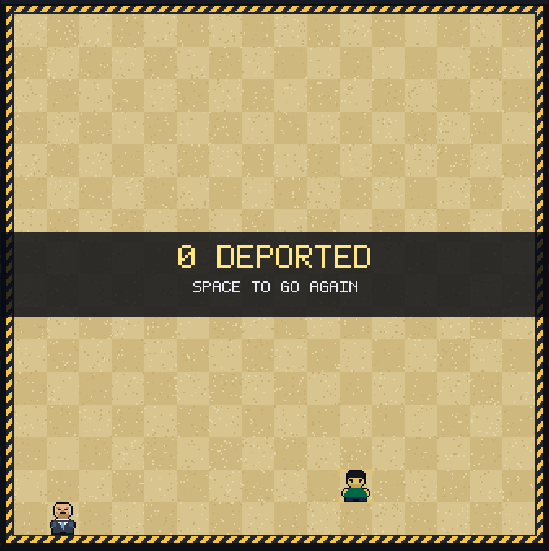
Styled after the classic game Snake, players navigate an agent along the Rio Grande to apprehend individuals crossing the border. The game tracks the number of deportations performed. Navigation relies on non-standard letter controls (W, S, D, E) rather than standard directional keyboard arrows, and the title features a single fixed difficulty level.
Flappy Bill

Inspired by Flappy Bird, players control a bald eagle carrying a piece of legislation through obstacles across the Washington, D.C., skyline.
Supply Line
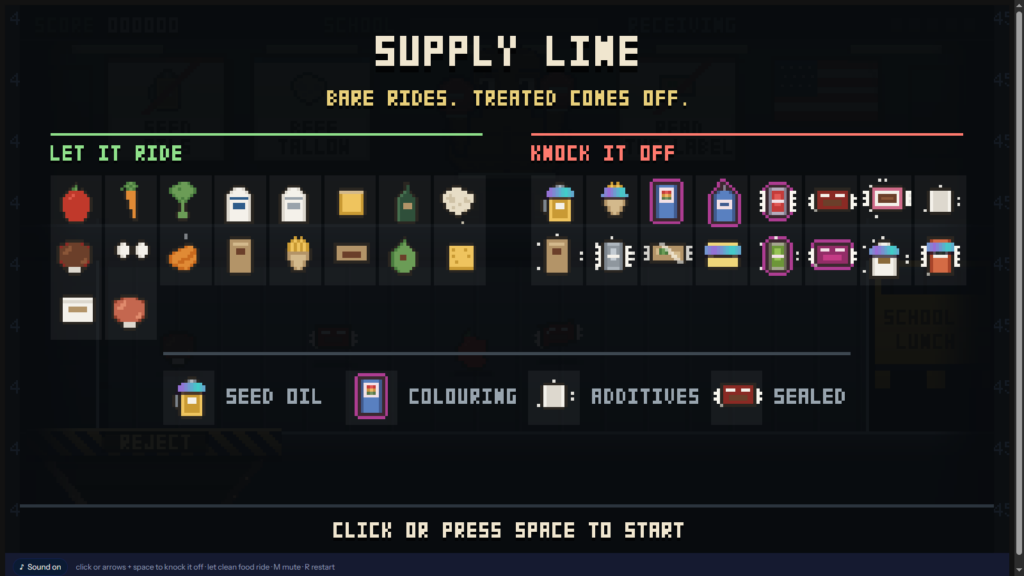
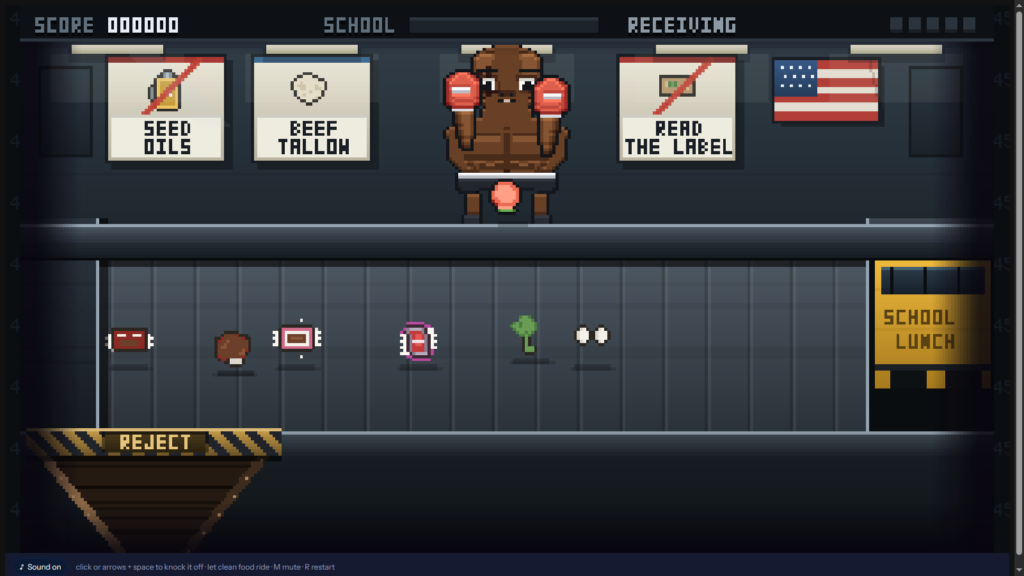
Tied to school lunch programs, players use a cursor to remove specific food items from a moving cafeteria conveyor belt before they reach students.
Trump Savings Tycoon
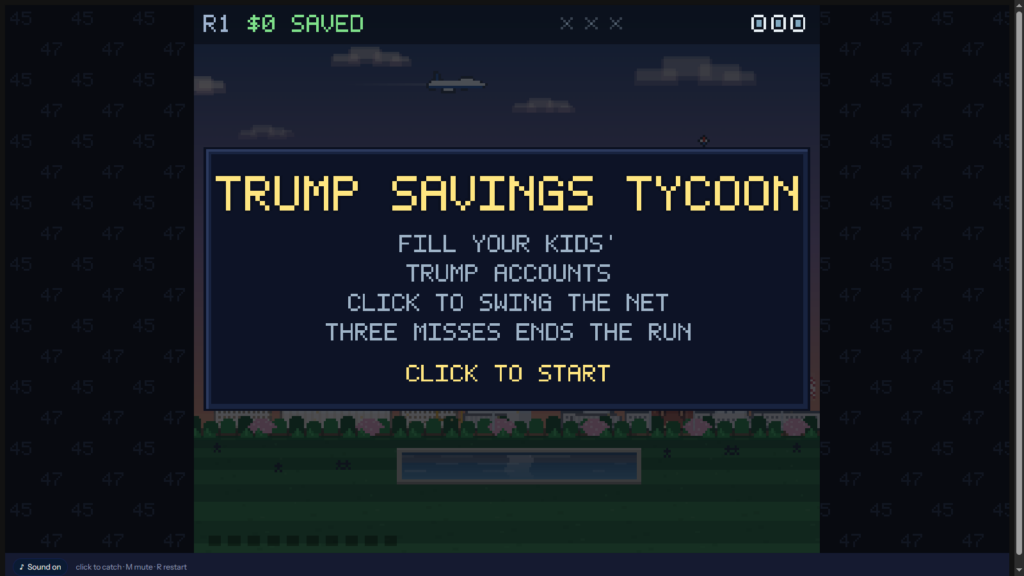

A catching game where players maneuver a basket to collect falling assets to promote “Trump Accounts,” a federal savings initiative for children.
The launch has drawn public attention both for its unconventional approach to policy outreach and for turning controversial national issues—such as immigration enforcement and border security—into interactive media. Critics have questioned the gamification of federal policy on official government domain infrastructure, while administration officials framed the portal as an innovative method for engaging the public.